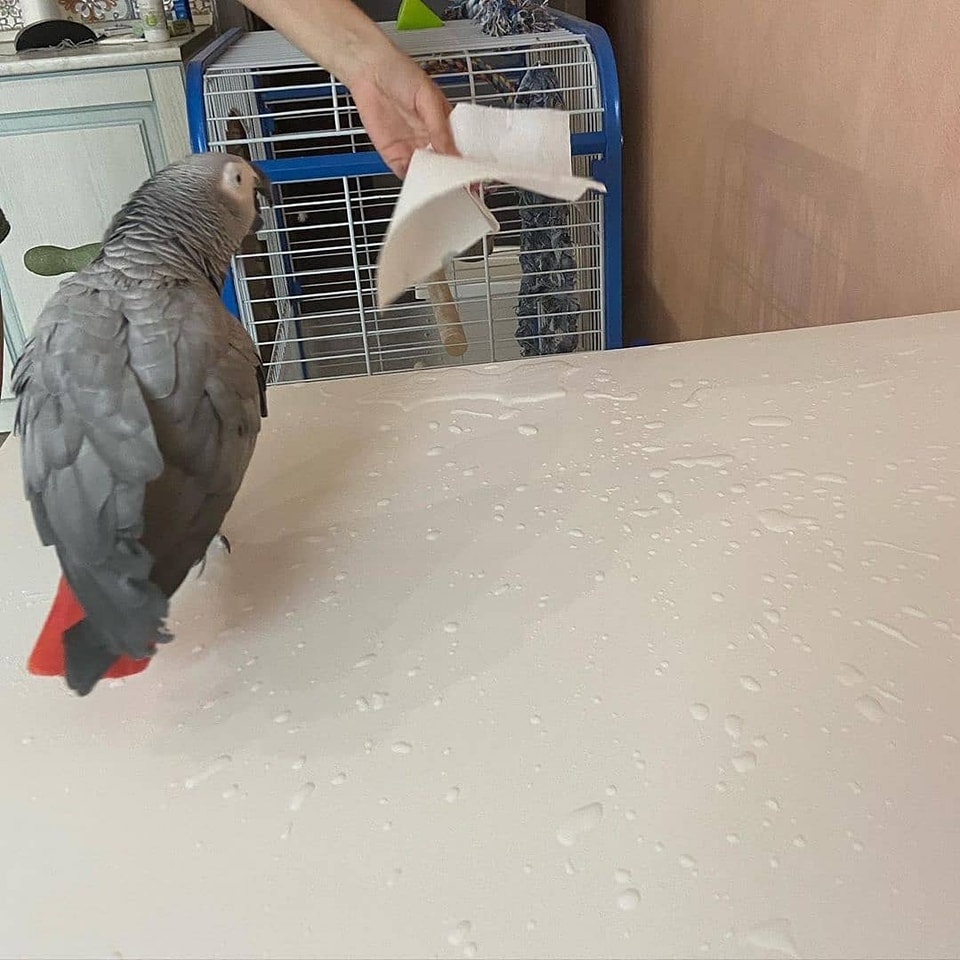
For as long as I can remember, I've been captivated by parrots. Their vibrant plumage, their astounding intelligence, and their uncanny ability to mimic human speech are truly mesmerizing. Owning a parrot, however, is far more than just admiring a beautiful bird; it's a profound commitment, a journey that demands patience, understanding, and a willingness to learn. If you're considering bringing one of these magnificent creatures into your life, or if you're already on this rewarding path, I want to share my insights on successfully
raising a parrot.
It’s crucial to understand from the outset that a parrot is not merely a pet; it’s a companion animal that requires as much, if not more, dedication than a dog or a cat. Their complex needs, long lifespans, and social intelligence mean they thrive only when provided with an environment that caters to their natural behaviors and intricate emotional well-being.
I. Understanding the Profound Commitment
Before you even begin to research species, the very first step in successfully raising a parrot is to thoroughly understand the monumental commitment involved. I learned this early on:
- Lifespan: This is perhaps the most overlooked aspect. Many parrot species live for decades. A Cockatoo or Macaw can easily live 60-80 years, often outliving their owners. Even smaller parrots like Cockatiels can live 15-20 years. This isn't a pet for a few years; it's a potential lifelong companion, requiring provisions for their care should you become unable to provide it yourself.
- Financial Investment: The initial cost of the bird itself can range from a few hundred to several thousand dollars. Beyond that, there are substantial ongoing expenses:
- Cage: A large, sturdy, high-quality cage is essential and can be expensive.
- Food: High-quality pellets, fresh fruits, vegetables, and occasional treats add up.
- Toys & Enrichment: Parrots are intelligent and need constant mental stimulation. Toys are destroyed and need regular replacement.
- Veterinary Care: Avian vets can be specialized and costly, especially for emergency care or routine check-ups.
- Time Investment: Parrots are highly social animals. They need daily interaction, training, and playtime outside their cage. Neglect can lead to behavioral issues like feather plucking, screaming, and aggression. I spend at least 2-3 hours daily directly interacting with my parrot, and much more time just being in the same room, talking to him.
II. Choosing the Right Parrot Species for You
My journey began with extensive research into different parrot species. Not all parrots are created equal, and what works for one person's lifestyle might be entirely wrong for another. Consider the following:
- Size: Larger parrots require larger cages and more space.
- Noise Level: Some species, like Cockatoos or Conures, are known for being very vocal and loud, which might not suit apartment living or sensitive neighbors.
- Personality: Each species, and indeed each individual bird, has a unique personality. Some are cuddly, others are more independent, some are prone to "bluffing" or nipping during adolescence.
- Care Needs: Some species have more specific dietary or environmental needs.
To help illustrate the diversity, here's a simplified table comparing a few popular species:
| Species |
Typical Lifespan |
Noise Level |
Cuddle Level |
Common Traits |
Ideal Owner Type |
| Budgerigar |
5-10 years |
Low-Medium |
Low-Medium |
Playful, chatty, can learn to talk. |
First-time owner, limited space. |
| Cockatiel |
15-20 years |
Medium |
Medium-High |
Affectionate, can whistle and mimic sounds. |
First-time owner, apartment suitable. |
| African Grey |
40-60 years |
Medium |
Medium |
Highly intelligent, excellent talkers, sensitive. |
Experienced owner, dedicated to mental stimulation. |
| Amazon Parrot |
50-70 years |
High |
High |
Bold, playful, good talkers, can be hormonal. |
Experienced owner, needs firm boundaries. |
| Macaw (Large) |
60-80 years |
Very High |
High |
Impressive, intelligent, can be demanding. |
Very experienced owner, ample space & time. |
I initially considered a larger parrot, but after careful reflection on my living situation and time availability, I realized a smaller, more manageable species would be a better fit for my first extensive experience with
raising a parrot.
III. Creating an Enriching and Safe Environment
Once you've chosen your companion, setting up their home environment is paramount. A parrot's cage is their sanctuary, and their surrounding space is their world.
- The Cage:
- Size: Always go for the largest cage you can reasonably afford and fit. A bird should be able to fully extend its wings in all directions without touching the sides or top.
- Bar Spacing: Ensure the bar spacing is appropriate for your bird's size to prevent escape or injury.
- Material: Stainless steel is best, but powder-coated wrought iron is also good. Avoid galvanized or zinc-coated cages, which can be toxic.
- Perches: Provide a variety of natural wood perches of different diameters and textures. This helps keep their feet healthy and prevents pressure sores. Avoid dowel perches as the sole option.
- Toys: This cannot be stressed enough. Parrots are highly intelligent and need constant mental and physical enrichment. I rotate my parrot's toys frequently to keep him engaged. Include:
- Chew toys (wood, natural fibers)
- Foraging toys (encourages natural behaviors)
- Shredding toys
- Puzzle toys
- Cage Placement:
- Locate the cage in a central, social area of your home, but away from direct drafts, direct sunlight, and kitchen fumes.
- Avoid placing it too close to windows that could cause temperature fluctuations or stimulate escape attempts.
- Home Safety (Bird-Proofing): Many household items are deadly to parrots. I make sure to:
- Never use non-stick cookware (Teflon) in the same room. Fumes are lethal.
- Avoid toxic plants (check a comprehensive list).
- Keep cleaning products, aerosols, and air fresheners away.
- Ensure windows and doors are secure.
- Cover or remove ceiling fans when the bird is out.
- Be mindful of open toilets, hot stoves, and other potential hazards.
IV. Nutrition: The Foundation of Health
Proper nutrition is the cornerstone of a parrot's health and longevity. I've found that a balanced diet is more complex than just seeds.
- Pelleted Diet: This should form the basis (around 60-70%) of their diet. High-quality commercial pellets are formulated to provide essential vitamins and minerals.
- Fresh Fruits and Vegetables: Offer a wide variety daily. Think leafy greens, bell peppers, carrots, broccoli, apples, berries, and melon. Always wash thoroughly.
- Healthy Proteins/Grains: Small amounts of cooked lean meat, hard-boiled egg, well-cooked pasta, brown rice, or quinoa can be offered occasionally.
- Avoid:
- Avocado (toxic)
- Chocolate (toxic)
- Caffeine and Alcohol
- Salty, sugary, or fried human foods
- Fruit pits and apple seeds (contain cyanide)
- Fresh Water: Always provide clean, fresh water in a bowl that is cleaned daily.
V. Training and Socialization
Training a parrot is an ongoing process that strengthens your bond and helps manage natural behaviors. I always use positive reinforcement.
- Start Early: The earlier you begin socializing and training, the better.
- Step-Up Command: This is perhaps the most fundamental and important command. It teaches your bird to step onto your hand or a perch on command.
- Positive Reinforcement: Use treats, praise, and head scratches to reward desired behaviors. Never punish; it only teaches fear.
- Body Language: Learn to read your parrot's body language. Pinning eyes, fluffed feathers, ruffled neck feathers, and tail wagging all communicate something. Understanding their signals helps prevent bites and builds trust.
- Addressing Nipping/Biting:
- Avoid pulling your hand away too quickly, as it can reinforce the behavior.
- Redirect their attention with a toy.
- Place them back in their cage for a brief "time-out" if the bite is serious.
- Speech and Mimicry: While many parrots can talk, not all will, and it's certainly not the primary reason to own one. Consistent interaction and repetition are key if you wish to encourage mimicking.
When it comes to the deep connection you'll form, I believe this quote truly captures the essence of it:
"The only species you can choose is yourself. To be chosen by a parrot is a sacred bond." — Melissa Starling, animal behaviorist
VI. Health and Veterinary Care
Finding a qualified avian veterinarian
before you need one is crucial. General vets often lack the specialized knowledge required for exotic birds.
- Routine Check-ups: Schedule annual wellness exams. Parrots are masters at hiding illness, so a vet can often spot subtle signs.
- Watch for Signs of Illness: Be vigilant for changes in your bird's:
- Appetite or water intake
- Droppings (consistency, color, volume)
- Feather condition (fluffed, ruffled, dull)
- Activity level (lethargy, excessive sleeping)
- Discharge from nostrils or eyes
- Changes in voice or breathing
- Quarantine New Birds: If you introduce a new bird to your flock, always quarantine it in a separate room for at least 30-45 days to prevent the spread of potential diseases.
VII. Addressing Common Challenges
Even with the best intentions, you might face challenges while raising a parrot.
- Screaming: This is a natural parrot behavior.
- Identify the cause (attention seeking, boredom, flock call, fear, excitement).
- Ignore attention-seeking screams (don't reward with interaction).
- Provide plenty of toys and enrichment.
- Teach a "quiet" command or reinforce quiet behavior.
- Feather Plucking: This is a serious issue that requires expert diagnosis. It can be caused by:
- Medical issues (parasites, nutritional deficiencies, underlying illness)
- Environmental factors (dry air, lack of light)
- Behavioral issues (boredom, stress, anxiety, lack of social interaction)
- Consult your avian vet immediately if you observe feather plucking.
Successfully raising a parrot is a marathon, not a sprint. It requires immense patience, consistent effort, and a deep understanding of their unique needs. But in return, I've found that the bond you form with these intelligent, sensitive, and often comical creatures is unlike any other. They bring unparalleled joy, laughter, and a profound sense of connection into your life, enriching your world in ways you never thought possible.
Frequently Asked Questions (FAQs)
Q1: How long does it take for a parrot to bond with its owner? A1: The time it takes for a parrot to bond varies greatly by species and individual personality. Some birds bond quickly within weeks, while others can take months or even over a year. Consistency, positive interaction, and patience are key to building trust.
Q2: Can I leave my parrot alone for a full workday? A2: Yes, typically adult parrots can be left alone for a standard workday (8-10 hours) as long as they have plenty of enrichment (toys, foraging opportunities), fresh food and water, and a safe environment. However, they do require significant social interaction before and after you leave, and prolonged or frequent isolation can lead to behavioral issues.
Q3: Do all parrots talk? A3: No, not all parrots talk, and among those that can, not all individuals will choose to. Species like African Greys and Amazon Parrots are renowned for their talking abilities, but even within these species, there's no guarantee. Speech is often more like mimicking sounds rather than understanding language.
Q4: How often should I clean my parrot's cage? A4: Daily spot cleaning (removing droppings, refreshing water and food bowls) is essential. A full deep clean of the cage, including washing bars and trays, should be done weekly or bi-weekly, depending on the bird's messiness.
Q5: Are parrots good pets for children? A5: While older, responsible children can learn to interact respectfully with parrots under adult supervision, parrots are generally not ideal "children's pets." Their long lifespans, complex needs, potential for biting, and fragile nature mean that the primary caretaker must always be a committed adult.